How to Manage Aggression in Busy Households
Posted by on 2026-02-08
Understanding Causes of Aggression
Identifying Triggers
Understanding what provokes aggression in dogs is crucial for managing it effectively. Common triggers include fear, territorial instincts, and frustration. Recognizing these can help dog owners, especially busy professionals, create a safer environment for their pets and family members.
Role of Training
Structured training sessions are vital for behavior modification. By employing positive reinforcement techniques, dog trainers can teach obedience and manners, reducing aggressive tendencies. For reactive-dog owners, professional guidance can significantly improve their dog's behavior and quality of life.
Environment Management
Creating a stable and predictable environment can help mitigate aggression. This includes maintaining a consistent routine and providing mental and physical stimulation. For households with new puppies or multiple pets, careful management of interactions is essential to prevent stress-induced aggression.
Importance of Professional Help
Seeking assistance from certified dog trainers can be beneficial. Trainers offer tailored strategies for managing aggression, addressing underlying causes, and implementing effective behavior modification techniques. Professional training is an investment in the long-term well-being of both the dog and its owners.
Training Resources
Many resources are available for dog owners looking to manage aggression. Online courses, training manuals, and free video guides provide accessible options for learning effective techniques. Whether through self-taught methods or professional classes, continuous education is key to successful dog management.
Role of Dog Trainers
Understanding Aggression in Dogs
Aggression in dogs is a complex issue that can manifest for various reasons, including fear, anxiety, or territorial behavior. In busy households, these triggers can be exacerbated by the chaotic environment, leading to increased stress for both the dog and the owner. Identifying the root cause of aggression is crucial in managing and reducing these behaviors effectively.

Creating a Calm Environment
To manage aggression, it is essential to create a stable and calm environment for the dog. This can be achieved by establishing a consistent routine and ensuring that the dog has a designated space where it feels safe. Reducing external stressors, such as loud noises or sudden changes in the environment, can also help alleviate anxiety and aggression.
Implementing Training Techniques
Training techniques such as positive reinforcement can be effective in managing aggressive behavior. Rewarding desired behaviors helps reinforce the dog's understanding of acceptable actions. Consistent training sessions can improve obedience and reduce instances of aggression, particularly in busy settings.
Professional Assistance and Resources
Seeking the help of a professional dog trainer can be beneficial for owners struggling to manage aggression in their pets. Trainers can provide personalized strategies and guidance tailored to the dog's specific needs. Additionally, various online resources, courses, and forums are available for owners seeking to educate themselves on effective behavior modification techniques.
Long-term Commitment
Managing aggression in dogs is a long-term commitment that requires patience and consistency. Owners should remain vigilant and proactive in addressing behavioral issues, continuously reinforcing positive behaviors and adjusting strategies as needed. With dedication and the right resources, a harmonious household can be achieved.
Implementing Consistent Training
Understanding Aggression in Dogs
Aggression in dogs can manifest in various forms, including growling, barking, and biting. It is crucial to identify the underlying causes of aggression, which may include fear, territorial instincts, or protective behavior. Understanding these triggers is the first step in managing aggression effectively.
Importance of Early Socialization
Early socialization is essential in preventing aggressive tendencies in dogs. Introducing puppies to diverse environments, people, and other animals can help them develop into well-adjusted adults. This exposure reduces the likelihood of fear-based aggression as they learn to navigate different scenarios calmly.
Role of Professional Dog Trainers
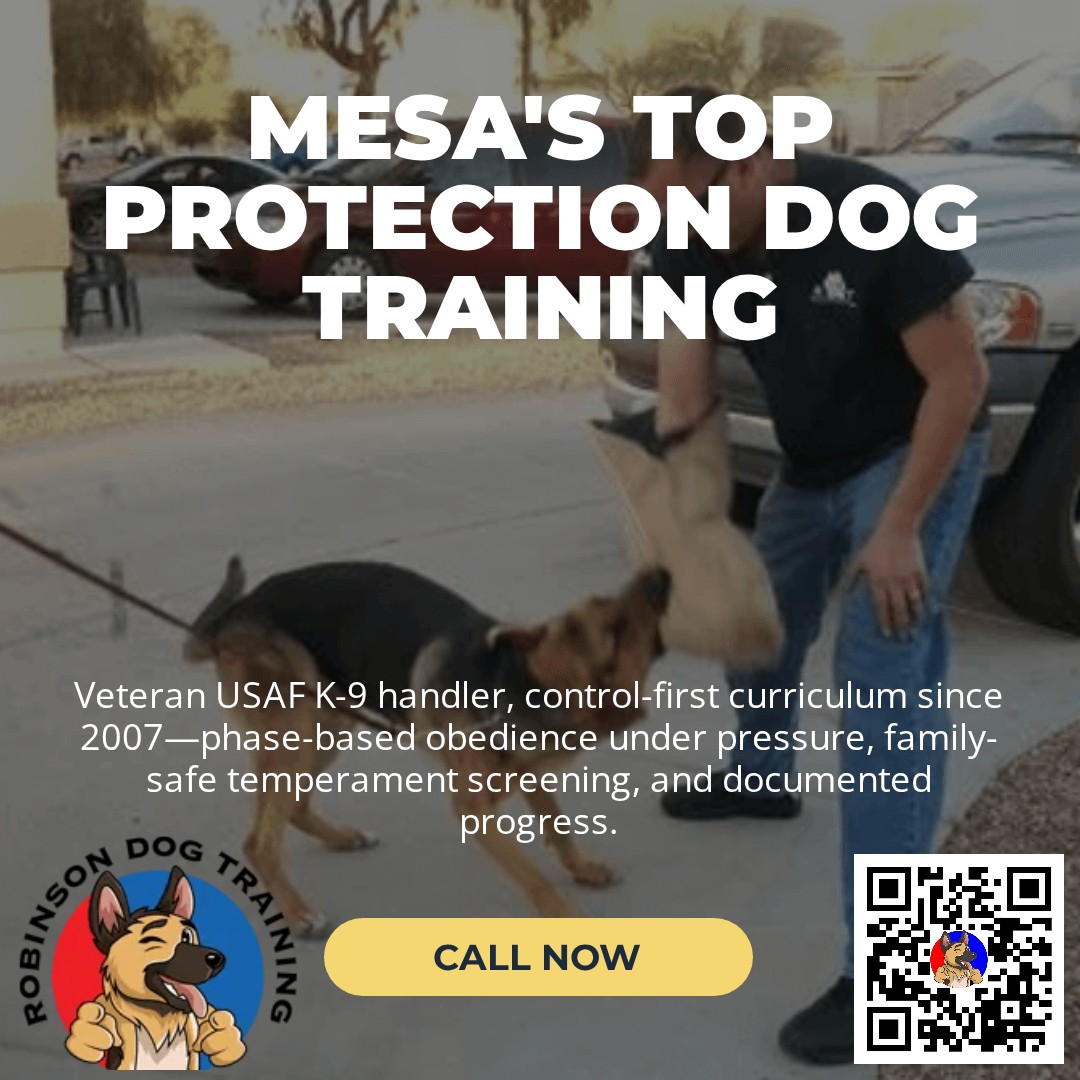
Engaging with professional dog trainers can be beneficial for dog owners struggling with aggressive behaviors. Trainers offer expertise in obedience and behavior modification, tailoring techniques to the specific needs of the dog. This professional guidance is crucial for busy households where consistency in training may be challenging.
Implementing Behavior Modification Strategies
Effective behavior modification strategies are key to managing aggression. Techniques such as positive reinforcement, desensitization, and counter-conditioning can be employed to alter undesirable behaviors. These methods focus on rewarding desired behaviors while gradually exposing the dog to triggers in a controlled manner.
Maintaining a Safe Environment
Creating a safe environment is vital in managing aggressive behavior, especially in busy households. This includes setting boundaries, supervising interactions with children and guests, and ensuring the dog has a designated space to retreat when overwhelmed. Consistent routines and clear rules help the dog feel secure and reduce stress-induced aggression.
Behavior Modification Techniques
Positive Reinforcement Techniques
Positive reinforcement involves rewarding a dog for desired behavior, which encourages the repetition of that behavior. This approach is effective in modifying unwanted behaviors such as excessive barking or jumping. By providing treats, praise, or playtime immediately following a positive action, dogs begin to associate good behavior with rewards, leading to more consistent obedience over time.

Consistency in Training
Consistency is crucial when implementing behavior modification techniques. All household members should use the same commands and reward systems to prevent confusion. Consistent training helps dogs understand expectations and reduces the likelihood of aggressive or undesirable behaviors. Establishing a structured routine for training sessions can further enhance the learning process.
Understanding Canine Body Language
Recognizing and interpreting canine body language can prevent aggressive incidents before they occur. Signs such as a stiff body, bared teeth, or growling indicate discomfort or agitation. By understanding these signals, owners can intervene early and redirect their dog's focus using training techniques, ultimately reducing the chance of aggression.
Seek Professional Guidance
For dog owners struggling with particularly challenging behaviors, consulting a professional dog trainer can provide valuable assistance. Trainers can offer personalized strategies and insights, particularly for reactive dog owners. Professionals can tailor training sessions to address specific issues, ensuring a safer and more harmonious household environment.
Involving the Whole Family
Understanding Dog Aggression
Dog aggression can manifest in various forms, including growling, barking, and biting. Identifying the root cause of aggression is essential for effective management. It could stem from fear, territorial instincts, or a lack of socialization. Professional dog trainers often assess these factors to develop tailored behavior modification plans.
Effective Training Techniques
Structured training sessions are crucial for managing aggression in dogs. Techniques such as positive reinforcement encourage good behavior by rewarding the dog when it displays calm and controlled actions. Clicker training is another method that helps reinforce positive behavior through auditory cues.
The Role of Professional Trainers
Professional dog trainers provide valuable insights into managing aggressive behavior. They offer specialized training programs that focus on obedience and behavior modification. Trainers work closely with dog owners to ensure consistency in training, which is pivotal for long-term success.
Consistency and Patience
Managing aggression requires consistent training and patience. Owners must adhere to established routines and training exercises. Progress might be gradual, but maintaining a calm and patient approach helps reinforce positive behaviors over time.
Home Environment Adjustments
Adjusting the home environment can also mitigate aggression. Creating a safe and comfortable space for the dog reduces stress and anxiety, which are common triggers for aggressive behavior. Ensuring the dog has ample opportunity for physical exercise and mental stimulation is also beneficial.
Importance of Socialization
Socialization from an early age can prevent aggression in dogs. Introducing puppies to various environments, people, and other animals helps them develop positive social skills. For older dogs, supervised socialization sessions with other dogs can aid in reducing aggressive tendencies.
Utilizing Professional Resources
Resources such as online dog training courses and forums offer additional support for managing aggression. These platforms provide access to expert advice and community experiences, allowing dog owners to learn effective strategies and share their challenges and successes.
Professional Guidance and Resources
Understanding Aggression in Dogs
Aggression in dogs can manifest in various forms, including growling, barking, and biting. It's essential to identify the root causes, which may include fear, frustration, or territorial behavior. Understanding these triggers is crucial for implementing effective management strategies.
Role of Professional Dog Trainers
Professional dog trainers play a vital role in managing aggression by offering structured training sessions tailored to individual needs. These experts use a variety of techniques, such as positive reinforcement, to encourage desirable behavior and discourage aggression.
Behavior Modification Techniques
Effective behavior modification strategies involve altering a dog's response to certain stimuli. Techniques such as desensitization and counter-conditioning can help dogs learn to remain calm in situations that previously triggered aggression.
Importance of Consistency and Patience
Consistency in training is key to managing aggression effectively. Dogs respond well to routine and clear expectations. Patience is equally important, as behavior modification can be a gradual process requiring time and dedication.
Resources for Dog Owners
Dog owners seeking to manage aggression can access a range of resources, including online courses, training manuals, and local dog training classes. Consulting with professional trainers can provide personalized guidance, ensuring a more harmonious household environment.